

Discover the Secrets of Our Destinations
Black Desert:
The Black Desert is known for its volcanic hills covered with black rocks. This rare geological phenomenon offers a fascinating landscape that appears to be from another world.
2. Kristallberg (Crystal Mountain):
A natural wonder made of glittering crystals that sparkle in the sun. The Crystal Mountain is a popular spot for photographers and nature lovers.
3. The Great Valley (Wadi el-Kebir):
This valley impresses with its breathtaking rock formations that appear like waves. It is an ideal place for geologists and hikers.
4. White Desert:
The White Desert is famous for its surreal limestone formations, shaped by the wind, which resemble mushrooms, rabbits, and chickens. This place is a must-see for any visitor.
5. The Sand Dunes of Karaween:
Perfect for sandboarding and for those who wish to enjoy the peace and beauty of untouched nature.
6. Ain el-Serw (Magical Spring):
This mysterious spring is considered „magical“ as it appears and disappears depending on the presence of people. A magical place that stimulates the imagination.
Hassan Fathy and the Village of al-Qurna
Hassan Fathy, known as the „Architect of the Poor,“ was one of the most influential Egyptian architects of the 20th century. He dedicated his life to developing sustainable architecture based on traditional techniques and materials.
The village of Al-Qurna:
In the 1940s, Hassan Fathy designed the village of al-Qurna in Luxor as a model project. It was intended to provide a sustainable and healthy way of life for the people living above the Pharaohs' tombs.
Key features:
- Adobe houses These houses keep cool in the summer and warm in the winter, and are perfectly adapted to the climatic conditions.
- The village square The square encompasses a mosque, a market and a community hall, reflecting Fathy’s vision of inclusive village life.
Importance of the project:
The village of al-Qurna has been recognised globally as an example of sustainable architecture, demonstrating how tradition and modernity can be harmoniously blended.
The Nubian Culture – A Treasure of Egypt
The Nubians, who live along the Nile in southern Egypt, are known for their rich culture, which dates back millennia. Their way of life, music, and architecture make Nubian culture unique.
Cultural highlights:
- Language: The Nubians speak two main dialects: Kenzi and Fadicha, which have been passed down orally and are part of their cultural heritage.
- Architecture The Nubian houses are known for their vibrant colours and geometric patterns, which tell stories and traditions.
- Music Nubian music is an important part of their culture and reflects their close connection to nature.
Experiences in Nuba:
Visits to Nubian villages, such as on Heissa Island, allow travellers to experience the hospitality and lifestyle of the Nubians first-hand.
Al-Quseir: A Window to History
The coastal city of al-Quseir on the Red Sea is one of Egypt's oldest cities. With its rich history and traditional charm, it offers a unique experience for visitors.
Main attractions:
- The Old Town A walk through the narrow alleys of al-Quseir's old town is like a journey back in time. Here you will find old stone houses, historic mosques and vibrant markets.
- The Red Sea The coast of al-Quseir offers some of the best snorkelling and diving spots in the world, with colourful coral reefs and an impressive underwater world.
- Mountain Safari: A highlight is the safari into the mountains of the Eastern Desert, where you can get to know the culture of the Ababda tribes and enjoy the breathtaking landscape.
Special Experiences
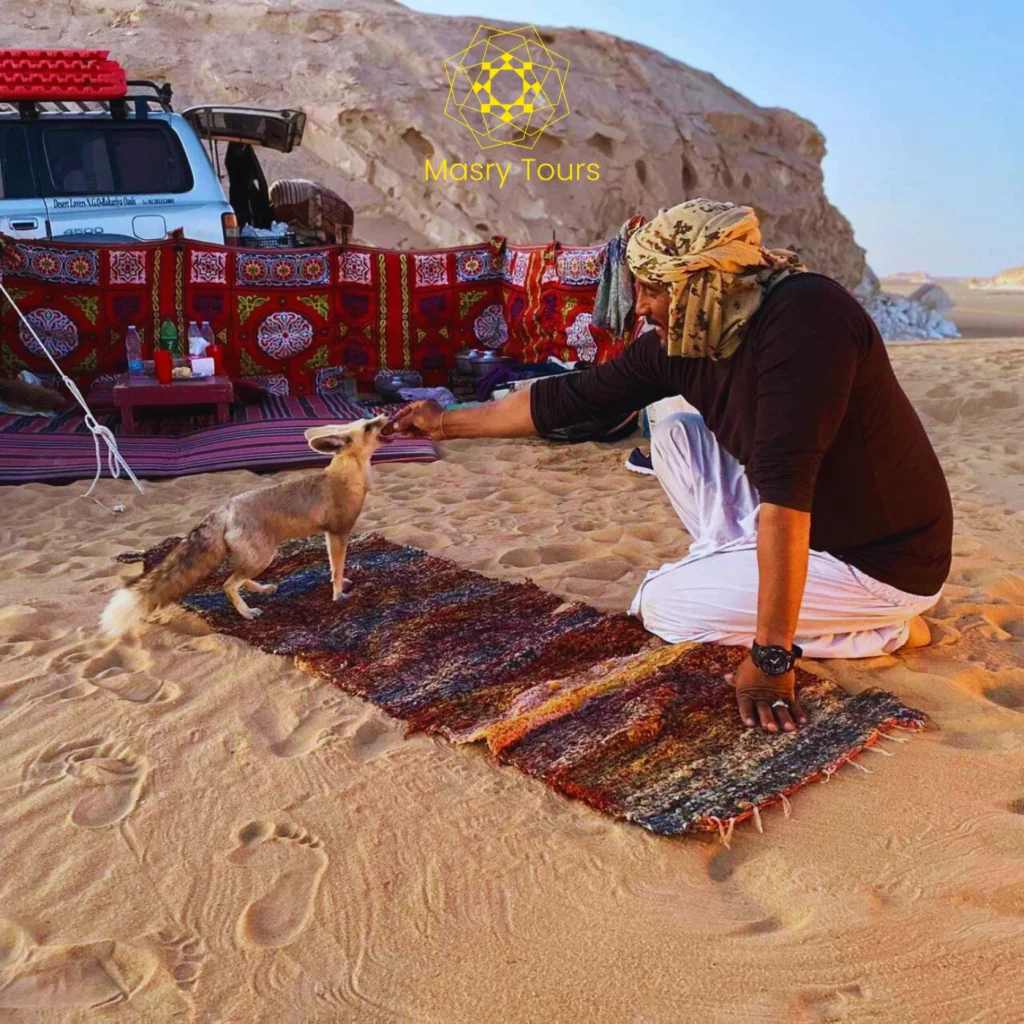
Bedouin Camps Enjoy the sunset with a traditional cup of Bedouin coffee (Gabbana) and round off the evening with homemade Bedouin bread.